

Many small businesses struggle with marketing not because they lack effort, but because they lack structure. They try social media one month, paid ads the next month, and then switch to SEO without a clear plan.
The result? Inconsistent traffic, unpredictable leads, and marketing that feels more like guessing than strategy.
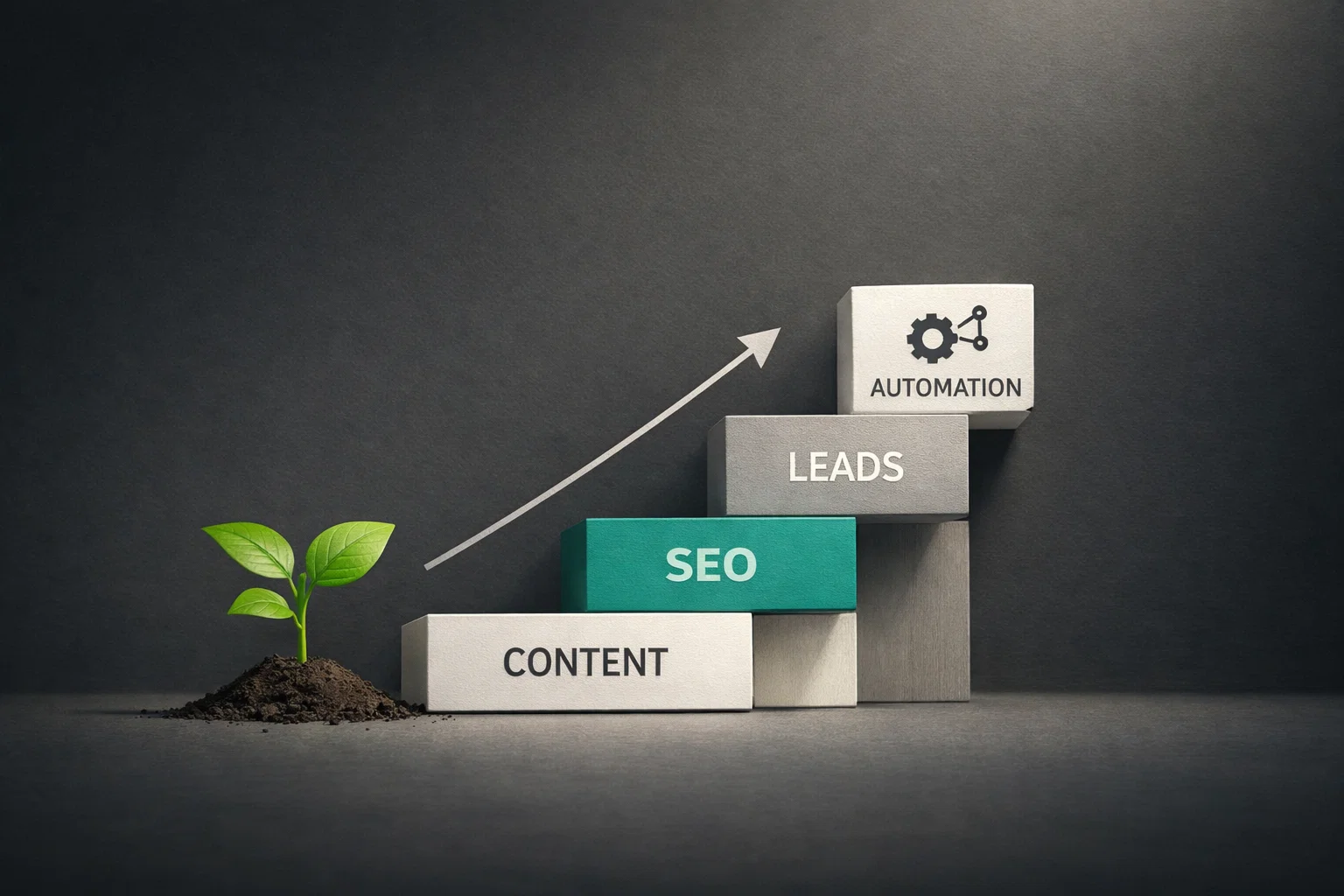
The businesses that grow successfully usually follow a different approach. Instead of random tactics, they build a scalable marketing strategy — a system that can grow along with the business.
In this guide, we’ll walk through how small businesses can create a marketing strategy that not only works today but continues to deliver results as the business expands.
What Is a Scalable Marketing Strategy?
A scalable marketing strategy is a system that can grow without requiring the same increase in time, effort, or cost.
For example:
- One blog article can generate traffic for years.
- A well-optimized landing page can convert thousands of visitors.
- A strong email system can nurture leads automatically.
Instead of relying only on manual outreach or constant advertising spend, scalable strategies focus on building marketing assets that continue working over time.
Step 1: Understand Your Ideal Customer
Every scalable strategy begins with a deep understanding of your audience.
Many small businesses try to attract everyone, which usually leads to weak marketing results.
Instead, define your ideal customer profile by identifying:
- industry or profession
- specific problems they face
- their goals and motivations
- where they search for solutions
For example, a marketing agency might focus on:
- startup founders
- local service businesses
- e-commerce brands
The clearer your audience is, the easier it becomes to create messaging that resonates with them.
Step 2: Focus on One or Two Core Marketing Channels
One of the biggest mistakes small businesses make is trying to be everywhere.
Running social media campaigns, writing blogs, managing ads, and sending emails all at once can quickly become overwhelming.
Instead, start with one or two core channels that match your audience behavior.
Common scalable channels include:
SEO and Content Marketing
Content can attract traffic continuously without paying for each visitor.
Email Marketing
Email helps nurture leads and build long-term relationships.
Paid Advertising
Ads can bring faster traffic and test marketing ideas quickly.
Once one channel starts working, you can expand into others.
Step 3: Build a Content Strategy
Content plays a huge role in scalable marketing.
High-quality content helps businesses:
- attract organic search traffic
- educate potential customers
- build trust and authority
Some effective content formats include:
- educational blog posts
- industry insights
- how-to guides
- case studies
- strategy breakdowns
Instead of publishing random content, focus on topics your audience is actively searching for.
Over time, this content becomes a valuable traffic asset.
Step 4: Create a Lead Generation System
Traffic alone doesn’t grow businesses. Leads do.
A scalable marketing strategy includes systems that convert visitors into leads automatically.
Examples include:
- downloadable guides
- free strategy consultations
- industry reports
- checklists or templates
- email newsletters
When visitors receive something valuable in exchange for their email, they become part of your lead pipeline.
Small businesses that build effective lead systems often generate consistent opportunities for sales.
Step 5: Design High-Converting Landing Pages
Landing pages are essential for turning visitors into leads.
A good landing page includes:
- a clear headline explaining the offer
- benefits of the offer
- credibility signals such as testimonials
- a simple form or call-to-action
Small improvements in landing page design can dramatically increase conversion rates.
Even increasing conversions from 2% to 4% can double lead generation.
Step 6: Use Automation to Save Time
Scalable marketing relies heavily on automation.
Automation allows small businesses to deliver consistent communication without manual effort.
Examples include:
- email welcome sequences
- lead nurturing email campaigns
- automated appointment scheduling
- CRM lead tracking systems
These systems help ensure that every lead receives the right information at the right time.
Step 7: Track Data and Optimize
One of the biggest advantages of digital marketing is the ability to track performance.
Small businesses should regularly review metrics such as:
- website traffic
- lead conversion rates
- cost per lead
- revenue generated from marketing channels
By analyzing these numbers, businesses can identify which strategies produce the best results.
Instead of guessing, decisions become data-driven.
Step 8: Build Authority and Trust
Customers rarely buy from businesses they don’t trust.
Building authority makes marketing much easier because prospects already see your brand as credible.
Some effective authority-building methods include:
- publishing expert content
- sharing insights on social media
- collecting testimonials
- presenting case studies
- speaking at events or webinars
Authority helps businesses stand out in competitive markets.
Step 9: Improve Customer Retention
Marketing is not only about acquiring new customers. It’s also about keeping existing ones.
Customer retention strategies include:
- follow-up emails
- exclusive offers
- loyalty programs
- personalized communication
Happy customers often become repeat buyers and recommend your business to others.
This creates organic growth through referrals.
Step 10: Think Long-Term
Scalable marketing strategies take time to build.
Instead of expecting immediate results, focus on creating systems that improve over months and years.
Businesses that invest in long-term strategies like SEO, content marketing, and email nurturing often experience steady and predictable growth.
The key is consistency.
Final Thoughts
Small businesses often believe they need massive budgets to compete with larger companies. In reality, what they need is a smarter marketing strategy.
By focusing on scalable systems — such as SEO, content marketing, lead generation, and automation — small businesses can build marketing engines that grow over time.
Instead of chasing quick wins, invest in strategies that create long-term growth and stability.